
I'm Calling This Out (Christian Racism?)
Yesterday I shared a blog about my recent Matai Chief ceremony.
I didn't expect the ugliness it would bring.
As usual, I shared my heart openly and freely—but this one felt extra special, because this occasion carried a weight that’s hard to put into words.
It wasn’t just an event. It was sacred. It was family. It was legacy. It was God meeting us in a place we never expected.
We wrestled with it. We prayed through it. We sought wisdom. And when the day finally came, the ceremony itself was deeply moving—emotional, spiritual, and honestly holy.
And not just for me, but for my entire family. My cousin and I were pioneering a path for our family that none of us had walked before.
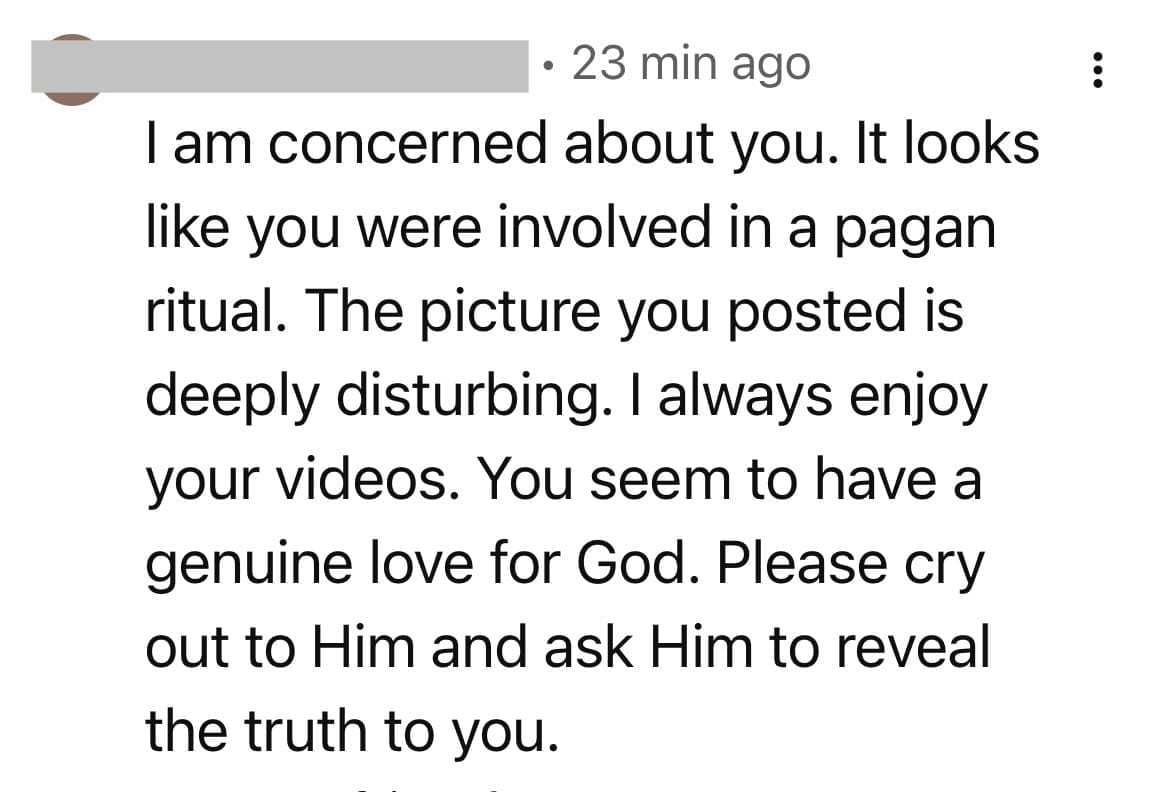
But within an hour of sharing something so significant, personal, and heartfelt, I was hit with religious nonsense and criticism.
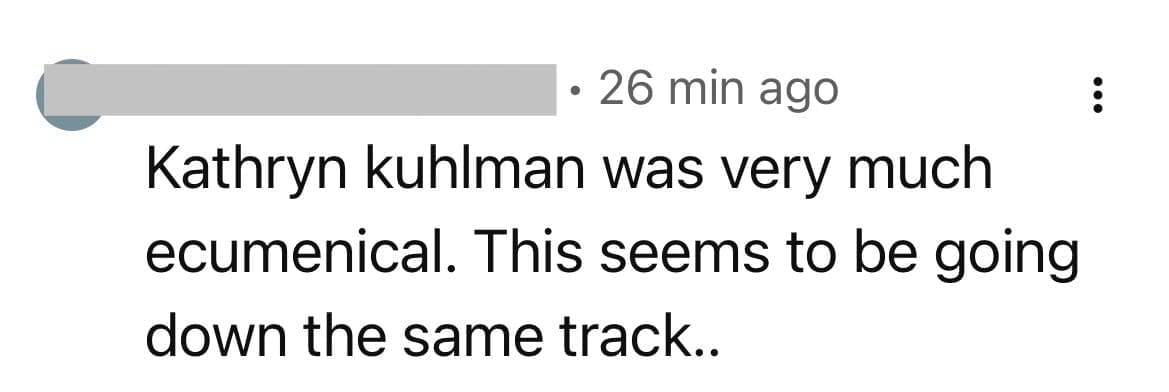
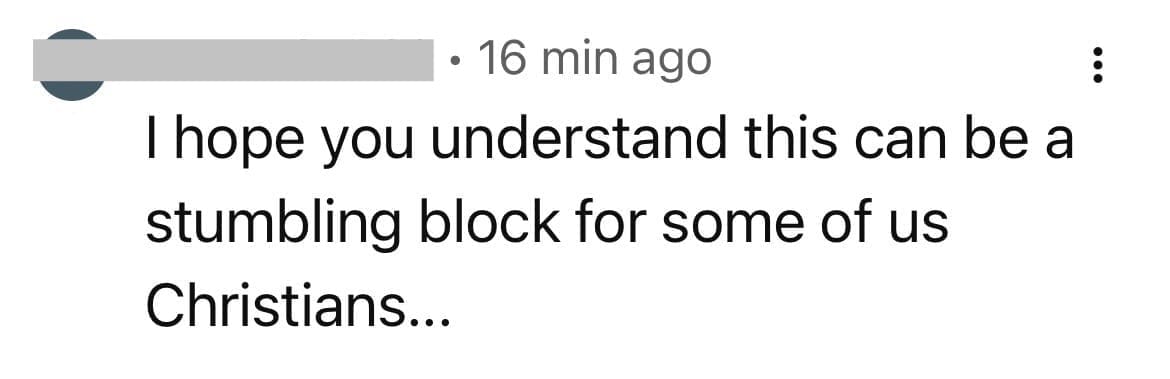
This kind of thing happens all the time, by the way—it’s nothing new for me.
I usually process these things quietly and privately with Jesus.
This is simply one of the rare moments I’m choosing to call it out publicly and directly.
And it comes from years of silent, marinated thought, prayer, and revelation—not a whim.
Here We Go...
These reactions shook me.
Not because their words hold truth—they don’t—but because of how quickly people rush to judge what they do not understand.
What’s shaken me isn’t the disagreement.
It’s the:
Total lack of humility
Instant suspicion
Arrogance wrapped in spiritual language
Christian racism and cultural supremacy
Weaponizing Jesus against something He was deeply present in
I've already explained in the blog how the entire ceremony was saturated in Jesus—opening prayer, a message from the Scriptures, ministers laying hands on us and blessing us as we received the honour and responsibility of serving our family.
This is who we are as a family.
And Samoa itself has a deep Christian history, formally recognising its Christian foundation in its constitution in 2017.
Why This Bothers Me
People judged something they’ve never seen, don’t understand, and made no effort to honor.
Everything was filtered through suspicion instead of discernment.
And that is one of the biggest sicknesses of performance Christianity.
Suspicion is not discernment.
Fear is not wisdom.
Panic is not holiness.
“Do not judge by mere appearance, but judge with right judgement.”—John 7:24
Religion does the exact opposite.
It hadn't even been an hour before someone confidently declared it “pagan,” “disturbing,” and urged me to “cry out to God” because of a single photo they didn’t understand.
This is exactly what fear-based Christianity produces: fear dressed up as discernment, judgement pretending to be concern, and ignorance masquerading as holiness.
It’s what happens when people equate “unfamiliar” with “ungodly,” assume their cultural lens is the only lens, and trust their fear more than the Spirit’s peace.
The irony?
The very photo that this person is "deeply concerned about" was taken in the middle of a prayer of blessing, in Jesus' name.

Not darkness. Not witchcraft. A Kingdom blessing over a cultural moment of honour.
Even the garments these people fear-read into are deeply symbolic.
They are full pieces of fabric that we wear, not to be cut. After the ceremony, we give them to the village. The village then uses them to make clothing for families
It’s not sorcery.
It’s service.
It’s generosity.
It’s honour.
This is what happens when people speak on things they do not understand—they miss the heart entirely.
Fear-based Christianity convinces people that:
suspicion = discernment
rebuke = righteousness
judgment = wisdom
ignorance = holiness
But if “discernment” produces accusation instead of peace, it’s not the Spirit of God. Peace is the witness of the Spirit (Colossians 3:15).
And Jesus said we know things by their fruit, not by their familiarity.
Fear misreads people.
Religion mislabels them.
Jesus reveals the truth.
The Christian Racism & Cultural Supremacy
There’s another layer here that needs to be named.
What showed up in those comments wasn’t just fear-based Christianity. It was Christian racism and cultural supremacy masquerading as holiness.
It’s not always intentional. It’s often rooted in ignorance, fear, and inherited teaching. But intent doesn’t erase impact.
What they said wasn’t simply “a theological concern.” It was a cultural judgment, made with zero humility, zero curiosity, and zero relationship.
When someone looks at a culture they do not understand, sees garments they’ve never worn, hears language they’ve never spoken—and instantly concludes “pagan,” “dark,” or “demonic”—that is not discernment.
That is cultural superiority.
It’s the unspoken belief that their cultural expression of Christianity is the standard, and anything outside of it must be suspicious.
That mindset is not holy.
It is not biblical.
And it is absolutely not the heart of Jesus.
This is racism wrapped in spirituality—the belief that God only moves through one culture, one aesthetic, one expression.
But the Kingdom Jesus announced is nothing like that.
Revelation 7:9 gives us Heaven’s picture: “Every tribe, every nation, every people, every language.”
Not erased.
Not assimilated.
Redeemed—distinct yet unified in honouring Him.
So when Christians judge a culture they’ve never taken time to understand, when they assume their culture equals the Kingdom, when they confuse unfamiliar with ungodly, they are not guarding holiness.
They are revealing prejudice.
This is the same mindset that rejected Jesus.
He didn’t fit their cultural expectations. He didn’t look like the Messiah they imagined. He came in a package they didn’t prefer—so they concluded He was dangerous.
Unfamiliar → therefore unholy.
You cannot claim to love the nations while fearing their expressions of beauty and honour.
You cannot preach “every tribe and tongue” while treating unfamiliar cultures as spiritual threats. You cannot call something demonic
simply because it isn’t Western.
That is not discernment.
That is not the Spirit.
That is fear, ignorance, and cultural supremacy wearing a Christian badge.
Humility would have said: “I don’t understand this—can you share more?”
Fear said: “This is wrong because it doesn’t look like me.”
One reflects Christ. The other reveals bondage.
I've Seen This Pattern Before
I have a guided breathing & prayer audio for helping people rest in Jesus.
Christians have told me it’s “new age.”
Since when did breathing become evil?
Breathing isn’t new age—it’s Genesis 2:7. It’s the breath of God. And just because a counterfeit world uses something doesn’t mean the original is demonic.
The issue is never the method—it’s the source.
Candles are used in new age settings too. Does that mean birthday cakes are demonic now? Romantic dinners? Power outages?
It’s silly and immature.
But fear-based Christianity creates spiritual paranoia. It throws out the baby, the bathwater, the bathtub, and the plumbing.
Fear Becomes Stealth-like When it’s Wrapped in Christian Language
Fear dressed up as “discernment” becomes invisible to the person carrying it.
And when fear goes unnoticed, it produces two kinds of people:
1. The tormented, who desperately want freedom but are trapped by years of fear-based teaching.
2. The self-righteous, who believe fear is holiness and take it upon themselves to police, correct, and condemn others.
And both groups have one thing in common: They cannot see the fear they’re operating from.
Fear becomes their teacher, interpreter, and definition of “discernment.”
And once fear is your interpreter, you will label anything unfamiliar as dangerous—even if Jesus is present in the very thing you’re condemning.
Jesus said it plainly: “You shut the door of the Kingdom in people’s faces.”—Matthew 23:13
He wasn’t being bitter. He was being clear.
Calling out religious nonsense is not bitterness. It’s compassion. It’s an attempt to wake people up from a yoke Jesus never placed on them.
And yet, when you speak plainly, religion will say:
“You’re offended.”
“You’re bitter.”
“You’re prideful.”
“You’re hiding sin.”
They keep moving the goalposts so the issue always lands back on you.
I’ve played this game long enough to know what it is: fear wearing a Christian mask.
The Church Would Crucify Daniel Today
Daniel didn’t just survive Babylon. He was promoted within it.
He was placed over the astrologers, sorcerers, and magicians (Daniel 2:48).
If a man of God held that exact role today—many modern Christians would immediately brand him “compromised,” “worldly,” or “demonic.”
Why?
Because God’s messengers rarely come in the packaging religious people prefer.
The very people who shout about “holiness” are often the same ones crucifying the ones God sends. Not because they’re wrong—but because they look different, move differently, or express God in ways that don’t match religious comfort zones.
And here’s the irony:
Some of the most religious people are the ones who insist they’re not religious at all.
That’s the trap of religion—you don’t see you’re in it.
And this is why humility is everything.
Humility listens before it labels. Humility asks questions before it condemns. Humility leaves room for God to move in ways we don’t expect.
Someone Said I Should Have Explained More “So This Wouldn’t Happen”
Again—this is classic performance Christianity.
Do better.
Say it differently.
Say more.
Say less.
Say it our way.
They keep moving the goalposts so the issue always lands back on you. I’ve been around long enough to see it for what is.
And then comes the classic line:
“Well, this is what happens when you share online so be careful what you share…”
As if the problem is the sharing.
As if the solution is silence.
As if fear gets to decide what’s appropriate, holy, or safe.
I’ve been in the arena for the better part of 15 years.
Opposition is nothing new to me.
This is simply one of the few times I’m choosing to call it out directly.
Because the ceremony wasn’t the problem. Sharing it wasn’t the problem—I’m still glad I did.
The actual problem is the fear-based lens it’s being viewed through—the lens that assumes unfamiliar means unsafe, or that anything outside someone’s narrow experience must be spiritually suspicious.
Even Jesus—the perfect embodiment of the Father—was misunderstood, criticized, accused, and labeled.
If He couldn’t communicate His way out of hardened hearts, why would I think clearer wording would fix people who don’t actually want to see?
I get criticism on my YouTube videos for how I hang out my washing… and for letting my kids run freely in the background.
I get rebuked for wearing a hat because “a man shouldn’t preach with his head covered,” meanwhile I’m literally just living life on camera—as if we were sitting together in my home.
It’s madness.
You cannot please a religious mindset. Especially the kind that demands perfection, control, and everything done “the right way”—meaning their way.
Aristotle said: “To avoid criticism: say nothing, do nothing, be nothing.”
And that’s exactly what religious pressure is trying to achieve: silence, control, conformity.
But fear doesn’t get to set the terms.
And it certainly doesn’t get to define what Jesus is present in.
I Want To Walk Away From The Christian Space
This is one of the most frustrating parts of being in the online space.
You have to endure religious noise from people who aren’t humble enough to slow down and understand before they speak.
I’ve often thought about walking away from the overt Christian space.
Never from Jesus, from the religious mob.
I’ve been in secular leadership, business, fitness and community spaces in the past, and it was much more enjoyable.
You don’t get this constant nitpicking, suspicion, or arrogance.
You don’t get people dissecting every syllable of your sentences, trying to catch you out.
It’s exhausting to deal with people who call it discernment but live in fear.
But then Jesus reminds me: “Live for the audience of One.”
My assignment—at least for now—sits right in the middle of this mess.
To confront religious bondage. To help sons and daughters step out of fear. To guide people into Jesus’ light and easy yoke.
And honestly, this pushback helps clarify who I’m called to, and who I’m not.
Jesus did not entrust Himself to everyone. I won’t either.
Sharing my life openly repels the people I’m not graced to walk with—and draws the ones I am.
That’s a gift, even when it stings.
But Here’s What Cuts The Deepest
The criticism isn't just toward me. It’s toward an entire culture. An entire people. My family.
That’s wrong.
Kingdom doesn’t erase culture—it redeems it.
We aren’t called to become identical religious duplicates. We are called to express the nature of God uniquely through how He designed us.
Revelation 7:9 paints the picture clearly: “Every nation, tribe, people, and language standing before the throne…”
God never asked anyone to become culturally colourless. He asked us to become like Jesus—and express Him through who we are, not instead of who we are.
Final Words
One of the great things about this ugliness is that it exposes what still needs healing in the Body—and exposure is mercy, because Jesus can only heal what comes into the light.
And that's a good thing.
To those stuck in fear-based Christianity who criticize what they don’t understand: Bless you. Truly. I pray the Father opens your eyes to His goodness and frees you from the fear you call discernment.
You would also benefit from this lesson here.
To those constantly hurt by religious pushback: I see you. You’re not alone. Keep living for the audience of One.
To those whose culture has been judged, shamed, or weaponized against—I’m sorry. That is not Jesus. Your Father is not a colonizer demanding sameness. He delights in the beauty He placed in you.
Just as Jesus sat with tax collectors, the Samaritan woman, and even Saul the persecutor—He meets you where you are.
He knows who He created you to be. And He walks with you as you become fully alive in His original design and intent for you.
Bless you,
Lee
Ready to go further?
The Free Yoke Check—Discover whether you're living under a religious yoke or Jesus' light and easy yoke.
The Goodness Journey—Ongoing coaching to help you consistently live from God's goodness, peace, and rest.
All my resources—Free tools, teachings, courses, and more.
🙋♂️
I keep my emails simple and easy. If you find value in what I share, come join me.
PS: check your spam/junk folder just incase, and mark my auto-reply email as safe.
Created with ©systeme.io